
Blog · Schools
4º ESO end-of-year school trip from Valencia: a step-by-step guide
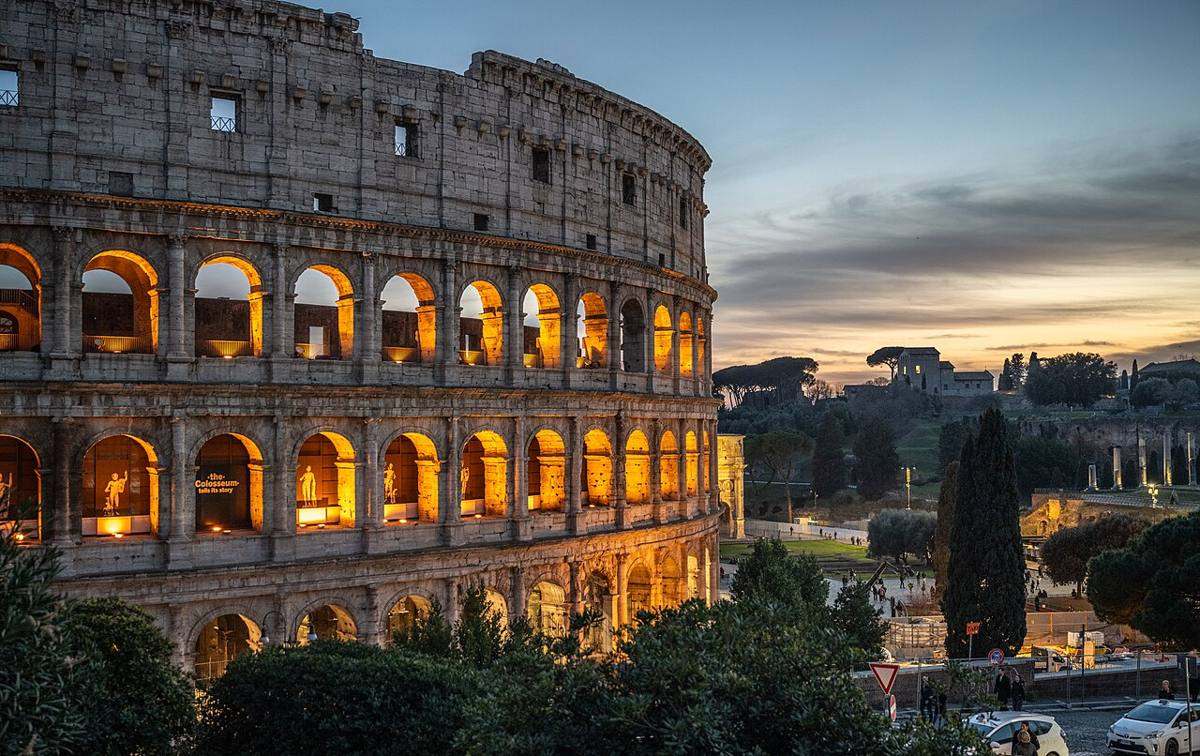
Month-by-month timeline, school approvals, a fixed price per student and paperwork: everything a form tutor or parents' association (AMPA) needs to organise the 4º ESO trip with no nasty surprises.
If you're a 4º ESO form tutor, head of studies or part of the parents' association (AMPA), you already know the end-of-year trip is the moment students look forward to all year… and the one that creates the most paperwork for teachers. The good news is that almost every problem (places that vanish, budgets that spiral, consent forms that arrive late) can be avoided with a good timeline. In this guide we walk you through, step by step, how to organise the 4º ESO end-of-year school trip from Valencia without it becoming a second job.
Timeline: when to start organising the 4º ESO trip
The most common mistake is starting in spring. As the trip usually takes place in June, at the end of the school year, the ideal is to get going at the start of the school year, in September: that way the trip is built into the school's planning, families have time to pay in instalments, and transport and accommodation are booked well ahead.
| When | What to do |
|---|---|
| September – October | Quick survey of families and students (destination, length, rough budget). Request proposals from agencies with an approximate number of students. |
| October – November | Choose a proposal and present it to the head teacher and the School Council. Information meeting with families and first booking payment. |
| January – April | Instalment payments, fundraising activities, document check (ID card, passport, health card). |
| May | Final list of participants, rooming list (room allocation), medical forms and signed code of conduct. |
| 2–3 weeks before | Final meeting with the school: schedules, luggage, contact numbers and incident procedures. |
If you're reading this at the end of October, you're still in time, but it's best to request proposals as soon as possible.
School approvals: School Council, PGA and consent forms
In the Valencian Community, complementary and extracurricular activities at secondary schools are governed by Decree 252/2019 of the Consell, which regulates how ESO, Bachillerato and vocational training (FP) schools operate. In practice, each school sets out the procedure in its own activities plan, approved by the School Council. Although every school has its own rules, most agree on these points:
- The trip must be included in the Annual General Programme (PGA). If it's proposed after the PGA has been approved, it usually has to go back to the School Council in good time.
- Accompanying teachers. Many schools set a guideline ratio (for example, one teacher for every 20 students and a minimum of two on any outing), which is increased for overnight stays or students with specific needs. Check your school's ratio before finalising numbers.
- Signed parental consent for every student under 18, together with the medical form and the trip's code of conduct.
- Financial management. Payments are usually channelled through the AMPA, and the trip cannot be run for profit by the school.
Our tip: ask the head teacher for the school's extracurricular activities plan before talking to families. It'll save you last-minute changes.
Destination and transport: your options departing from Valencia
Valencia is a great starting point: it has high-speed trains to Madrid and Barcelona, an airport with direct flights to many European capitals and good road links. What you should decide first is the format, not the specific destination.
| Format | Advantages | Bear in mind |
|---|---|---|
| Spain by coach (Pyrenees, Andalusia, Cantabria…) | Lower price, the coach stays with the group for the whole trip, ideal for active tourism. | Long journeys; drivers' driving and rest times must be respected. |
| Spain by train (Madrid, Barcelona, Seville…) | Fast and comfortable, fewer hours on the road. | Group seats sell out in high season; book early. |
| Europe by plane (Italy, France, UK, Central Europe…) | A powerful cultural experience that really motivates students. | More paperwork, a bigger budget and greater sensitivity to booking date. |
If you'd like specific ideas by budget and number of days, our page of school trip destinations has proposals designed for school groups.
Budget and funding: how to get a fixed price per student
Families want a clear figure and the school wants to avoid surprises. That's why it's key to always ask for a fixed price per student that spells out what's included:
- Return transport and transfers at the destination.
- Accommodation and meal plan (breakfast, half board or full board).
- Entrance tickets, guides and activities.
- Travel insurance (medical assistance and, if taken out, cancellation).
- Free places for accompanying teachers, if any.
- Minimum number of students for the price to stand.
To fund it, many groups combine instalment payments from the first term with activities run by the students themselves (selling products, school events, lottery shares), always within what the school allows. The sooner you start, the smaller the monthly effort for families.
Documents and insurance: the essentials
This is what causes the most headaches at the airport or border, so it's worth checking months in advance:
- Valid ID card or passport. For the EU, the European Economic Area and Switzerland, the Spanish ID card (DNI) is enough; for other countries, a passport. Check everyone's expiry date.
- Travel permit for minors going abroad. According to the Spanish Ministry of the Interior, a minor travelling outside Spain without their parents or guardians must carry, in addition to their ID, a signed travel permission declaration, issued at National Police stations or Guardia Civil posts. If the trip is abroad, ask families to arrange it in good time.
- European Health Insurance Card for trips within Europe. It's free, you apply for it on the Social Security e-Office (Sede Electrónica) and arrives at home within a few days. Each student needs their own.
- SIP card (copy) for trips within Spain, plus a medical form listing allergies and medication.
- Travel insurance with medical assistance and, ideally, cancellation cover for justified reasons.
Why book the trip through an agency (and what rights it gives you)
When an agency sells you transport and accommodation together, it's a package travel, regulated by consumer law. That gives you protections you don't have if you book everything separately:
- The organiser is responsible for every service being delivered as contracted, even if another company provides it.
- Agencies established in Spain must have insolvency protection, which includes repatriation if transport is involved.
- The price can only go up if the contract allows it and for specific reasons; if the increase exceeds 8%, you can cancel without penalty (as explained by Consumo Responde).
- In the event of unavoidable and extraordinary circumstances at the destination, you can cancel with a full refund.
On top of the legal backing, there's the practical side: one single point of contact for the school, paperwork ready for the School Council and families, and someone at the other end of the phone 24 hours a day while you're away. That's what we do on our school trips from Alboraya.
4º ESO end-of-year school trip checklist
- Survey families: destination, days and maximum budget.
- Request two or three proposals with a fixed price per student.
- Check the school's activities plan (ratio, deadlines, consent forms).
- Include the trip in the PGA and get it approved by the School Council.
- Information meeting with families and payment schedule.
- Check ID cards, passports and, if going abroad, travel permits.
- Collect medical forms, consent forms and signed codes of conduct.
- Confirm travel insurance and cover.
- Finalise the participant list and room allocation.
- Final meeting: schedules, luggage and emergency numbers.
Any questions about a step? Drop us a line and we'll help you plan it with your teaching team.
Frequently asked questions
When should you start organising the 4º ESO end-of-year school trip?
Ideally, start in September or October for a trip in June, at the end of the school year. That way the trip can be included in the Annual General Programme, families pay in instalments, and transport and accommodation are booked well in advance.
Who has to approve the end-of-year trip at a Valencian secondary school?
Extracurricular activities are included in the Annual General Programme, which is approved by the School Council. Each school sets out in its activities plan the deadlines, the teacher ratio and the consent forms it asks families for.
Do students need special permission to travel abroad with their school?
The Ministry of the Interior states that a minor travelling outside Spain without their parents or guardians must carry, in addition to their ID card or passport, a signed travel permission declaration. It is issued at National Police stations or Guardia Civil posts, so it's best to apply in good time.
What should the per-student price of an end-of-year school trip include?
Ask for the fixed price to itemise transport, transfers, accommodation and meals, admission tickets and guides, travel insurance and places for teachers. Also ask what minimum number of students that price is based on.
What are the advantages of booking the trip through an agency?
As it is a package trip, the organiser is responsible for all services, must have insolvency protection, and price changes are limited. On top of that, the school has one single point of contact and support throughout the trip.
Written by the team at El Viatge, a travel agency in Alboraya (Valencia).